Dead Tree Removal in Reno, NV
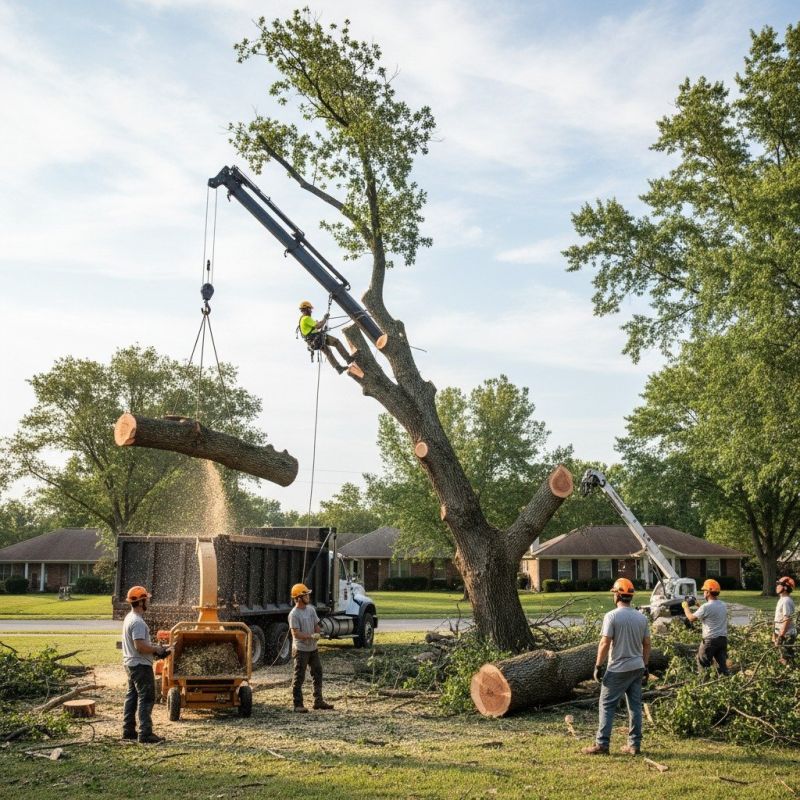
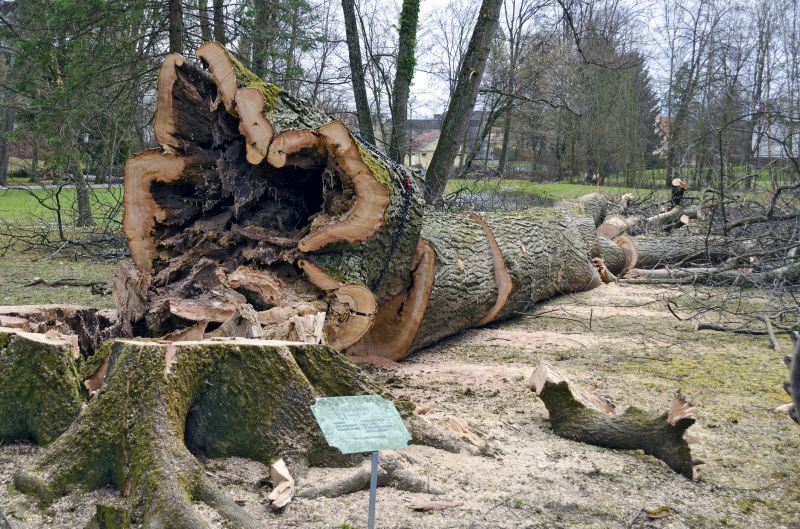
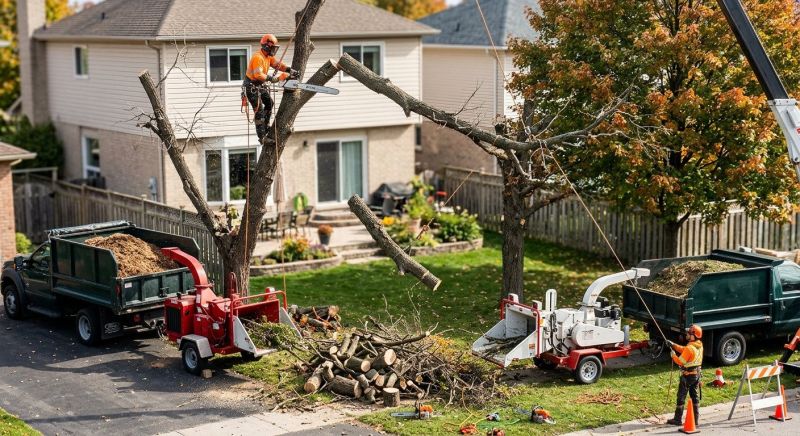
Dead tree removal services involve safely taking down and removing trees that are dead, decaying, or pose a risk to property or safety. These projects typically include assessing the condition of problematic trees, planning the safest method for removal, and using appropriate equipment to eliminate the tree and clear the debris. Homeowners often request this service when a tree shows signs of disease or damage, has become unstable, or is located near structures, power lines, or other hazards, making removal necessary to prevent potential damage or injury.
Property owners should consider several factors before requesting dead tree removal. It is important to understand the size and location of the tree, as well as any potential obstacles around it. Additionally, knowing whether permits are required for removal in the area can be helpful. Proper planning ensures the safe and efficient removal of the tree while minimizing impact on the surrounding landscape. Contacting professionals can provide guidance on the scope of work and help determine the best approach for each individual property.
Many property owners in Reno, NV look into Dead Tree Removal for repairs, replacements, upgrades, and appearance-related improvements.
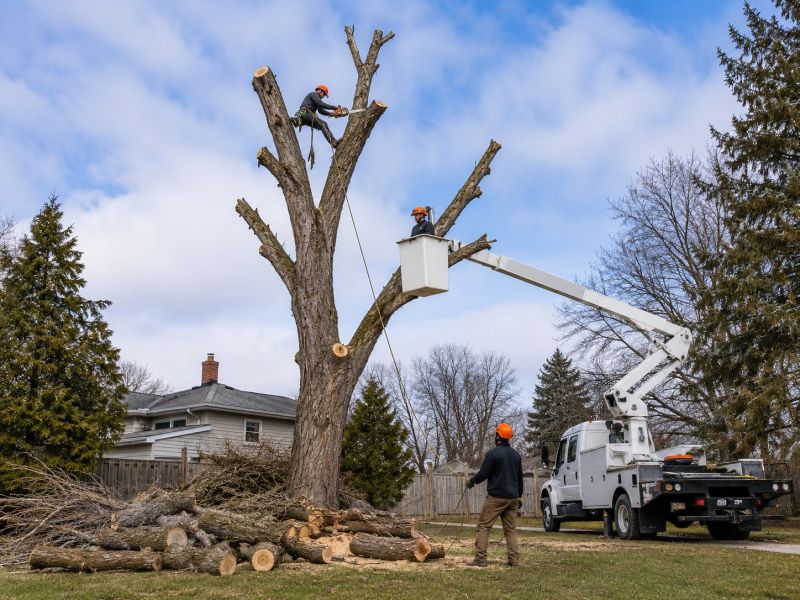
Reasons For Dead Tree Removal
Removing dead trees helps prevent property damage and safety hazards.
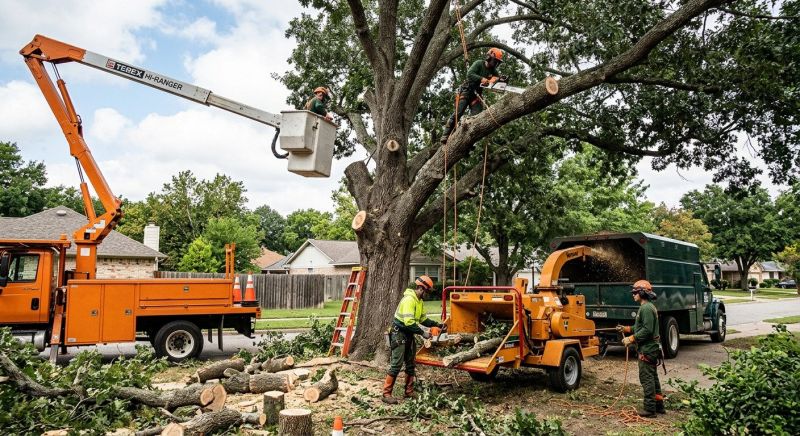
Signs A Tree Needs Removal
Look for dead branches, decay, or leaning trunks that indicate a tree may be unsafe.
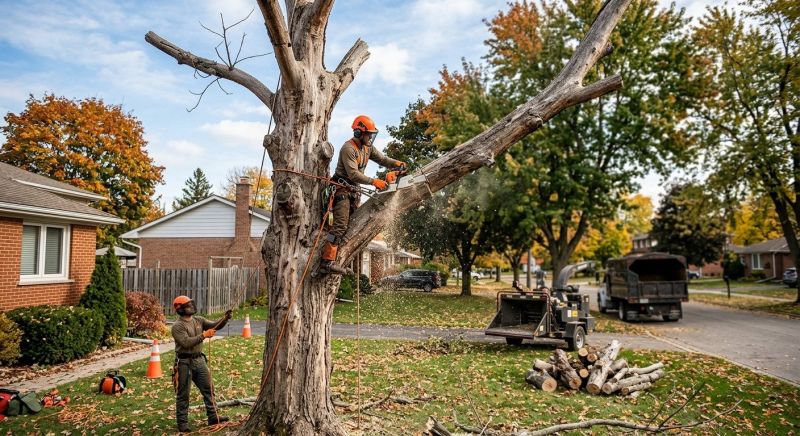
Benefits Of Professional Removal
Expert services ensure safe and efficient removal, protecting your property and landscape.
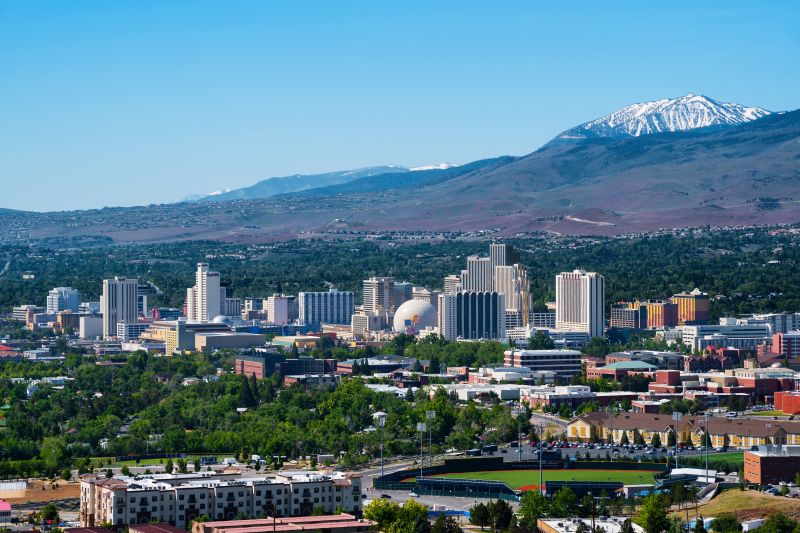
Dead Tree Removal in Reno, NV
Dead tree removal services involve safely taking down and removing trees that are dead, decaying, or pose a risk to property or safety. These projects typically include assessing the condition of problematic trees, planning the safest method for removal, and using appropriate equipment to eliminate the tree and clear the debris. Homeowners often request this service when a tree shows signs of disease or damage, has become unstable, or is located near structures, power lines, or other hazards, making removal necessary to prevent potential damage or injury.
Property owners should consider several factors before requesting dead tree removal. It is important to understand the size and location of the tree, as well as any potential obstacles around it. Additionally, knowing whether permits are required for removal in the area can be helpful. Proper planning ensures the safe and efficient removal of the tree while minimizing impact on the surrounding landscape. Contacting professionals can provide guidance on the scope of work and help determine the best approach for each individual property.
Many property owners in Reno, NV look into Dead Tree Removal for repairs, replacements, upgrades, and appearance-related improvements.
Common Dead Tree Removal Jobs
Dead tree removal - safely eliminates hazardous or decayed trees from the property.
Stump grinding - removes tree stumps to improve yard safety and appearance.
Emergency tree removal - addresses storm-damaged or fallen trees promptly.
Selective tree removal - removes specific trees to enhance landscape health or design.
Root removal - extracts invasive or problematic roots that threaten structures.
Complete tree removal - clears entire trees for construction, landscaping, or safety reasons.
Dead Tree Removal Questions
What types of trees are suitable for removal? Most deciduous and some evergreen trees can be removed, especially if they pose safety risks or are dead or diseased.
Is dead tree removal necessary? Removing dead or dying trees helps prevent potential hazards like falling branches or complete toppling.
What signs indicate a tree needs removal? Indicators include dead or broken branches, leaning significantly, or visible decay in the trunk or roots.
How does tree removal impact property safety? Removing hazardous trees reduces the risk of property damage or injury caused by falling limbs or trees.
Request Dead Tree Removal in Reno, NV
Use the quote form on this page to share the basics of your project and request more information for the type of work you need.